Southwest Metro Conversion and Station Works
Comprehensive Load Rating and Fatigue Assessments and TAO Compliance Assessment
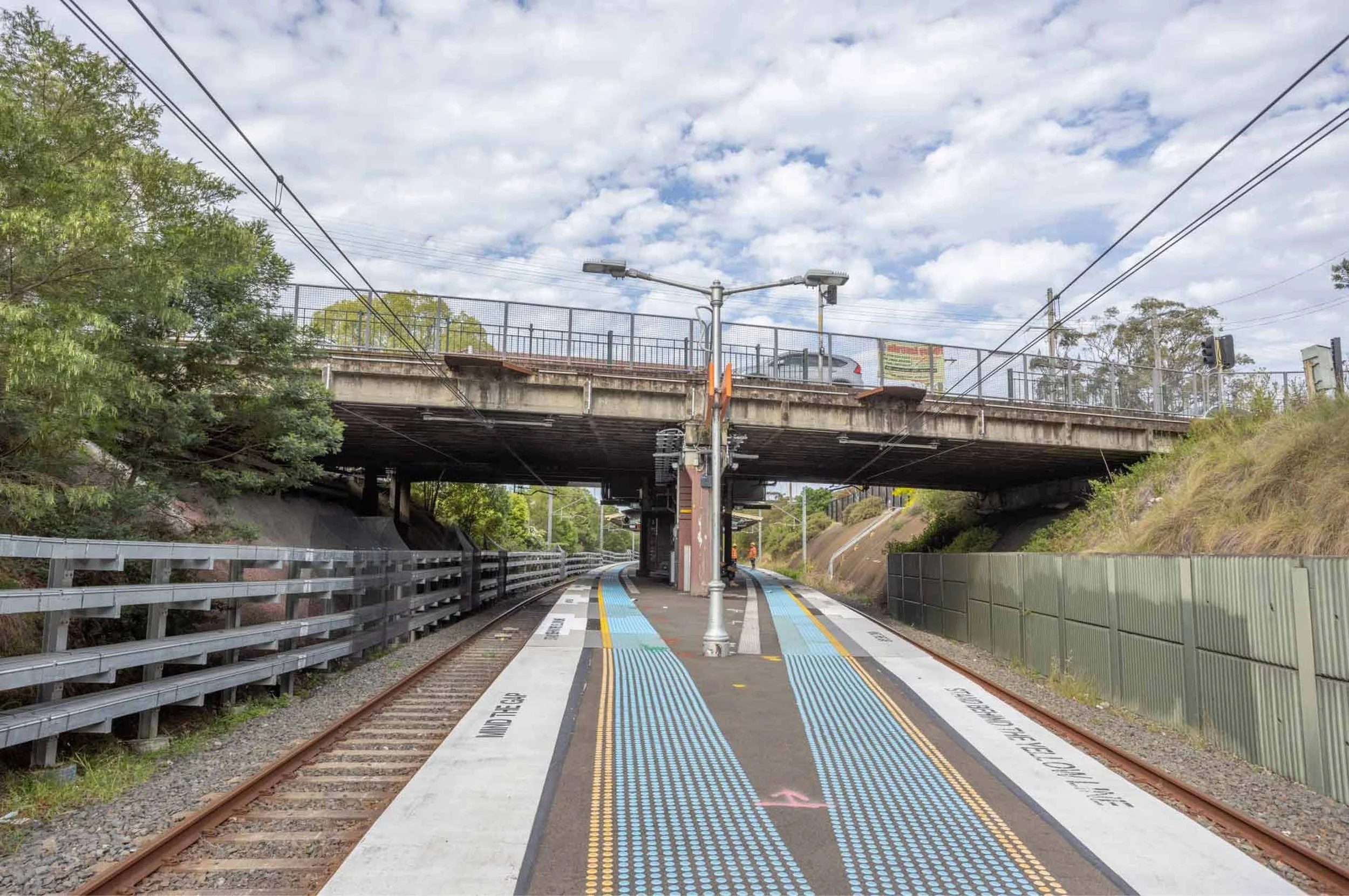
Future-proofing critical rail bridges for the next generation of Sydney Metro services.
The Southwest Metro Conversion and Station Works (SWM3) project involved the structural assessment of four key bridges to verify their capacity to support the increased loads, frequency and operational demands of the new Sydney Metro rolling stock.
CSS was engaged by TTW to undertake comprehensive load rating and fatigue assessments for West Terrace Bridge, Meeks Road Underbridge, Canal 1 & 2 Underbridge and Sydenham Canal Underbridge. Working within a highly constrained brownfield rail environment, CSS integrated modern structural analysis with detailed inspection data to deliver an evidence-based framework that supports safe operation, long-term durability and the successful conversion of the existing rail corridor to a high-capacity metro system.
Technical Achievements
CSS applied advanced structural engineering methodologies, including finite element modelling, dynamic load simulation, and fatigue assessment techniques, to accurately evaluate the performance and remaining capacity of each bridge under Metro’s heavier axle loads and higher service frequencies. The team validated serviceability and ultimate limit states to confirm compliance with Sydney Metro requirements and future 120-year design life expectations. By combining advanced modelling with real-world inspection data, CSS was able to precisely identify structural sensitivities, determine upgrade requirements and ensure minimal disruption to ongoing rail operations.
Benefits to the Client
The rigorous assessment program enabled Sydney Metro and TTW to progress the network conversion with confidence, confirming that the existing bridges could safely and reliably support modern Metro operations. The analysis avoided the need for costly demolition or reconstruction, reducing construction time, material use and community disruption. The work also strengthened long-term network resilience by providing clear, data-driven insights into future maintenance and intervention needs, supporting a safer, more reliable and higher-capacity public transport system for Sydney.