Bayswater SynCon Conversion
Specialist Structural Engineering Assessment
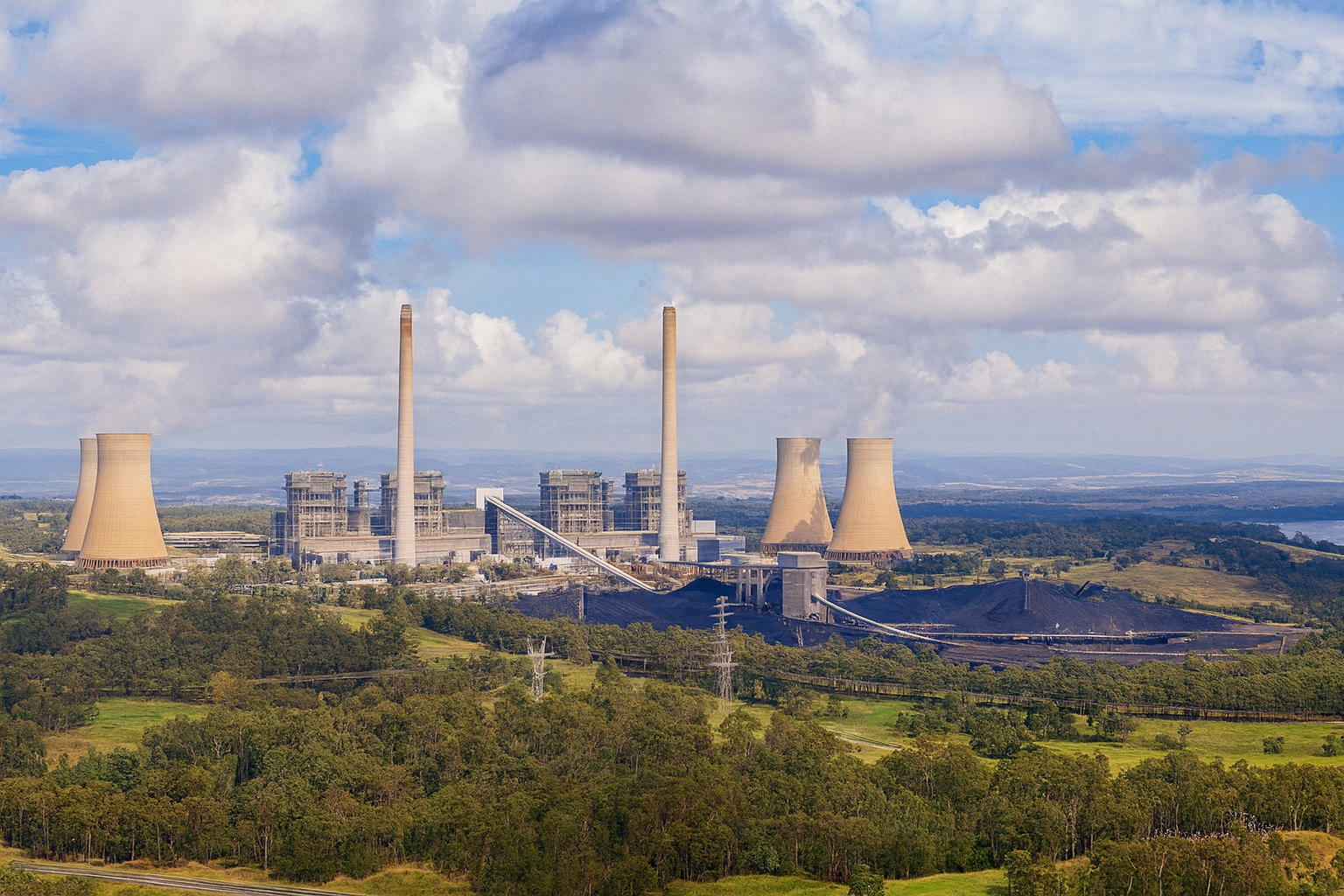
Strengthening grid stability through strategic reuse and optimisation of existing infrastructure.
CSS supported Toshiba International Corporation in delivering a comprehensive feasibility study for the conversion of existing generators at Bayswater Power Station into synchronous condensers (SynCons) to improve grid resilience.
CSS provided specialist structural engineering assessment to determine the suitability of the existing multi-storey concrete framed structure for supporting new SynCon equipment and associated load increases. This work included detailed structural feasibility analysis, interface assessments with the transmission network, and identification of operational and constructability constraints. The study forms a critical step in enabling the facility to deliver essential reactive power, inertia, and short-circuit strength to the wider network, using existing infrastructure to reduce cost, environmental impact, and delivery timelines while supporting Australia’s ongoing energy transition.
Technical Achievements
CSS undertook a comprehensive structural feasibility assessment to confirm that the existing concrete-framed support structure could accommodate the new SynCon equipment and altered load paths, ensuring the upgraded units would operate safely and reliably. This included detailed coordination of structural interfaces with the transmission network, equipment layouts, and operational constraints. CSS also contributed to the overall conversion strategy by assessing how the former generator units could be adapted into synchronous condensers while remaining structurally compatible with the proposed mechanical and electrical upgrades. Throughout the study, opportunities were identified to reuse, reinforce, or adapt existing structural elements, minimising upgrade requirements, reducing delivery risk, and improving overall program efficiency.
Benefits to the Client
The feasibility study delivered significant benefits by enhancing grid stability through improved voltage support, inertia, and short-circuit capability, strengthening the wider transmission network. By leveraging and optimising the existing structural framework, the project minimised capital expenditure and reduced construction complexity. Early identification of structural and operational constraints supported accurate scoping, planning, and investment decisions, lowering delivery risk. Critically, the SynCon conversion supports increasing renewable energy penetration by providing essential system strength and stability, contributing to a flexible, reliable, and future-ready electricity grid.